

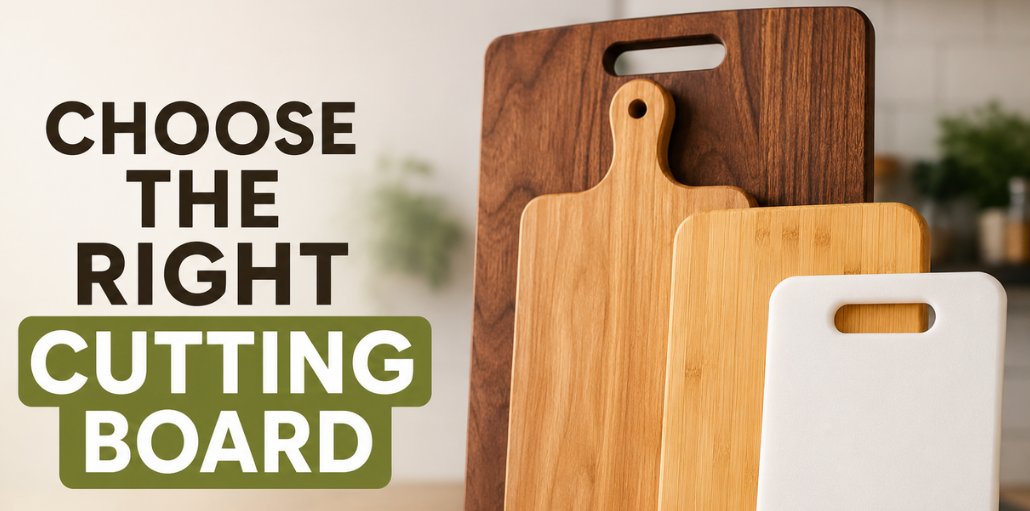
How to Choose the Right Cutting Board: A Complete Buyer’s Guide for Every Kitchen
A cutting board is one of the most important tools in any kitchen. Whether you’re chopping vegetables, slicing fruit, carving meat, or preparing herbs, the right cutting board makes cooking easier, safer, and more enjoyable.
Many people choose a cutting board based only on its appearance or price. However, the material, size, thickness, and maintenance requirements all affect how well it performs. A poor-quality board can dull your knives, wear out quickly, or become difficult to keep clean.
This guide explains how to choose the right cutting board so you can invest in one that suits your cooking style and lasts for years. Whether you’re furnishing a new kitchen or replacing an old board, you’ll learn what features matter most and which materials provide the best value.
Why Choosing the Right Cutting Board Matters
A cutting board does much more than protect your countertop.
The right board helps you:
- Protect expensive kitchen knives
- Improve food safety
- Reduce cross-contamination
- Make meal preparation easier
- Prevent countertop damage
- Create a more organised cooking space
A quality cutting board is a simple investment that improves your everyday cooking experience.
Consider the Material First
The material is the biggest factor when choosing a cutting board. Each type offers different benefits depending on your cooking habits.
1. Teak Wood Cutting Boards
For many home cooks and professional chefs, teak wood cutting boards are one of the best long-term investments.
Teak is a premium hardwood known for its durability, beautiful grain, and natural resistance to moisture. Unlike many other woods, teak contains natural oils that help reduce water absorption, making it less likely to warp or crack over time.
Because of its balanced hardness, teak is also gentle on knife blades while remaining strong enough for everyday chopping.
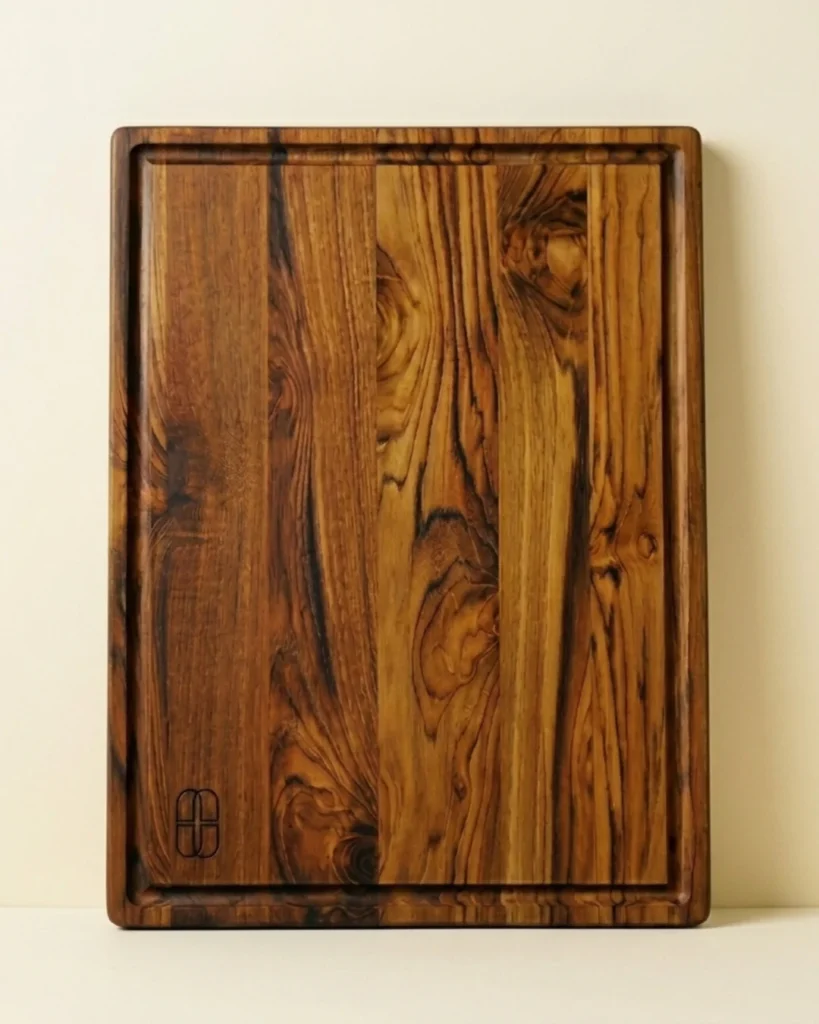
Teak Wood Cutting Board
Benefits of Teak Wood Cutting Boards
- Naturally resistant to moisture
- Long-lasting and highly durable
- Gentle on kitchen knives
- Beautiful natural wood grain
- Less likely to warp than many hardwoods
- Suitable for everyday cooking
- Can double as a serving or charcuterie board
- Easy to maintain with occasional oiling
For households in the USA, Australia, and New Zealand, teak performs well in a variety of climates and remains one of the most reliable cutting board materials available.
2. Maple Cutting Boards
Maple has been a favourite in professional kitchens for decades.
Pros
- Very durable
- Knife friendly
- Smooth cutting surface
- Long lifespan
Cons
- Requires regular oiling
- Slightly heavier than other boards
3. Walnut Cutting Boards
Walnut offers a darker appearance that complements modern kitchens.
Pros
- Attractive rich colour
- Gentle on knives
- Durable
- Premium appearance
Cons
- Higher price
- Needs regular maintenance
4. Bamboo Cutting Boards
Bamboo is popular because it is renewable and affordable.
Pros
- Eco-friendly
- Lightweight
- Budget-friendly
- Moisture resistant
Cons
- Harder surface may dull knives faster
- Can crack if not maintained properly
5. Plastic Cutting Boards
Plastic boards remain a practical option for many kitchens.
Pros
- Dishwasher safe
- Easy to sanitise
- Affordable
- Lightweight
Cons
- Deep knife marks develop quickly
- Shorter lifespan
- Can retain stains and odours
Many cooks prefer using plastic boards only for raw meat while using wooden boards for vegetables and other foods.
6. Composite Cutting Boards
Composite boards combine wood fibres with food-safe resin.
Pros
- Durable
- Dishwasher safe
- Heat resistant
- Low maintenance
Cons
- More expensive
- Slightly harder on knives than wood
Why Teak Wood Stands Out
If you’re looking for one cutting board that can handle daily use, teak deserves serious consideration.
Compared with many other hardwoods, teak naturally resists moisture because of its oil content. This makes it ideal for kitchens where the board is used frequently.
A premium teak cutting board also develops a beautiful character over time while remaining functional for years.
Many homeowners also appreciate that teak cutting boards can be used as elegant serving boards for cheese, bread, charcuterie, or appetisers when entertaining guests.
Choosing the Right Size
Selecting the correct size depends on your kitchen and cooking style.
Small Boards (8–12 inches)
Ideal for:
- Fruit
- Herbs
- Quick snacks
- Small vegetables
Medium Boards (12–16 inches)
Perfect for:
- Everyday meal preparation
- Small families
- General chopping
Large Boards (18 inches or more)
Best for:
- Large families
- Batch cooking
- Meat carving
- Bread preparation
A larger board provides more working space and helps keep ingredients contained while chopping.
Thickness Matters
A thicker cutting board generally lasts longer and stays more stable during use.
For wooden cutting boards:
- 1 inch is ideal for everyday cooking.
- 1.5 inches or thicker offers excellent durability and stability.
Heavy cutting boards are less likely to slide around while preparing food.
Look for Useful Features
Some cutting boards include features that improve everyday use.
Consider boards with:
- Juice grooves
- Built-in handles
- Reversible surfaces
- Rounded edges
- Non-slip feet
- Thick hardwood construction
- Food-safe finish
These features make cooking more convenient while improving safety.
Choose a Stable Cutting Board
A cutting board should stay firmly in place while you work.
Look for:
- Rubber feet
- Heavy construction
- Wide base
- Non-slip design
If your board slides on the countertop, place a damp towel underneath for extra grip.
Match the Board to Your Cooking Style
Different cooking habits require different cutting boards.
| Cooking Style | Recommended Board |
|---|---|
| Everyday cooking | Teak wood |
| Heavy meal preparation | Thick hardwood or Teak Wood |
| Raw meat | Plastic |
| Fruits and vegetables | Teak or maple Wood |
| Bread and pastries | Large wooden board |
| Serving food | Premium teak board |
Many experienced home cooks keep at least two cutting boards to prevent cross-contamination.
How to Care for a Teak Wood Cutting Board
Proper care helps a teak cutting board stay beautiful for many years.
Follow these simple steps:
- Wash by hand using warm water and mild soap.
- Dry immediately after cleaning.
- Never soak it in water.
- Do not place it in the dishwasher.
- Apply food-grade mineral oil every three to four weeks.
- Store upright in a dry location.
With proper care, a quality teak cutting board can last for decades.
Common Mistakes to Avoid
Many buyers make simple mistakes when purchasing a cutting board.
Avoid these common problems:
- Buying a board that is too small
- Choosing the cheapest option instead of quality
- Ignoring maintenance requirements
- Using one board for every type of food
- Leaving wooden boards soaking in water
- Waiting too long to replace worn plastic boards
A well-made cutting board saves money over time because it lasts much longer.
Frequently Asked Questions
What is the best material for a cutting board?
Premium hardwoods such as teak and maple offer the best balance of durability, knife protection, and long-term performance.
Is teak wood a good material for a cutting board?
Yes. Teak naturally resists moisture, protects knife edges, and provides excellent durability, making it one of the best choices for everyday kitchens.
Should I own more than one cutting board?
Yes. Using separate cutting boards for raw meat and fresh produce helps reduce the risk of cross-contamination.
How often should I oil a wooden cutting board?
Most wooden cutting boards should be treated with food-grade mineral oil every three to four weeks, depending on use.
Can a teak cutting board be used for serving food?
Absolutely. Many teak cutting boards are designed to function as both cutting boards and attractive serving boards for cheese, bread, charcuterie, and appetisers.
How long does a teak cutting board last?
With proper care, a premium teak cutting board can easily last 10 to 20 years or more, making it one of the best long-term kitchen investments.
Final Thoughts
Choosing the right cutting board is about more than finding a nice-looking kitchen accessory. The right material, size, and construction can improve food preparation, protect your knives, and make cooking more enjoyable every day.
Among all available options, teak wood cutting boards stand out for their durability, moisture resistance, knife-friendly surface, and timeless appearance. They perform exceptionally well in busy kitchens and can serve as both practical cooking tools and elegant serving boards.
For most households in the USA, Australia, and New Zealand, a high-quality teak cutting board paired with a separate plastic board for raw meat offers the ideal combination of performance, hygiene, and longevity.
Invest once in a quality cutting board, care for it properly, and you’ll enjoy reliable performance for many years.
Quick Buying Checklist
Before purchasing your next cutting board, make sure it offers:
✅ Premium hardwood (preferably teak or maple)
✅ Food-safe finish
✅ At least 1-inch thickness
✅ Comfortable size for your kitchen
✅ Juice groove (optional but useful)
✅ Easy-to-maintain surface
✅ Durable construction
✅ Gentle surface for knife protection


